By Aida Khazieva·Facials and Skin Care·14 min read·Real Skin Beauty, Irvine CA·Updated October 22, 2026
Book a facial to maintain and calm your skin, and a chemical peel to correct a specific concern. A facial cleanses, hydrates and clears congestion with little or no downtime. A peel uses acid to exfoliate, improving texture, dullness, clogged pores and uneven tone, and may cause light flaking. If you are unsure, I usually start with a facial.
Quick answer
Facial: cleansing, extractions, mask and massage for clean, calm, hydrated skin. Usually no downtime.
Chemical peel: acid exfoliation for texture, dullness, clogged pores and uneven tone. Possible pinkness and light flaking.
Dry, sensitive or irritated skin: start with a facial. Dark spots and rough texture: a peel series usually helps more.
At Real Skin Beauty facials start at $105, peels at $95.
Many people do best alternating both, with daily sunscreen.
The Short Answer: Maintenance vs Correction
A facial and a chemical peel are often booked as if they were the same thing with a different name. They are not. The easiest way to think about it: a facial maintains and balances the skin, while a peel corrects a specific concern by exfoliating at a controlled depth.
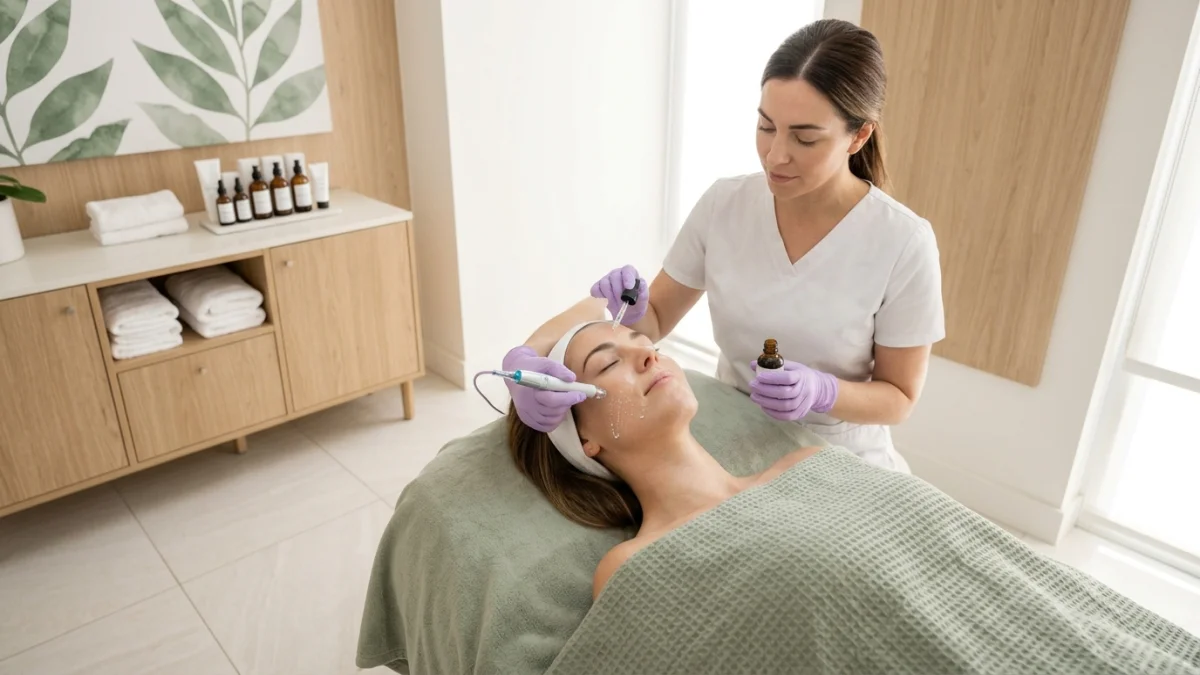
A facial is a hands-on treatment. It usually includes cleansing, gentle exfoliation, steam or warm towels, extractions if needed, a mask matched to your skin, massage and a finishing routine. The goal is clean, calm, hydrated skin. You walk out looking fresh, and you can usually go back to your day.
A chemical peel uses an acid solution, such as glycolic, lactic, salicylic or mandelic acid, to loosen and remove dead surface cells. It is more targeted. It is chosen for texture, dullness, clogged pores, uneven tone or dark spots. The skin may look pink afterward and may flake for a few days, depending on the peel.
Facial
Chemical peel
Main goal
Cleanse, hydrate, calm, maintain
Exfoliate to improve texture, tone, clogged pores
How deep it works
Surface level, gentle
Controlled exfoliation, superficial peels in our studio
Typical downtime
Usually none, sometimes brief pinkness
Pinkness, and possible light flaking for a few days
Typical frequency
Every 4 to 6 weeks
Often a series spaced 2 to 4 weeks apart, then maintenance
Price at Real Skin Beauty
From $105 (Deep Cleansing) to $165 (HydraFacial)
From $95 (Superficial, Lactic, Almond) to $120 (Carbon)
Time
About 1 hour, 1 hour 15 for Combined and HydraFacial
About 45 minutes
Best for
Dry, dehydrated, sensitive, congested skin, regular care
Dullness, rough texture, dark spots, acne-prone oily skin
So which should you book? If your skin feels tight, irritated or just needs care, start with a facial. If your skin is healthy but you want smoother texture, more even tone or fewer clogged pores, a peel is usually the better tool. Many people do best with both, in the right order.
What Happens During a Facial
Every facial I do starts with a look at the skin under a magnifying lamp. That short check tells me whether the skin is oily, dry, dehydrated, reactive or congested, and it changes what I do next.
A typical facial in my Irvine studio includes:
Double cleansing to remove makeup, sunscreen and oil.
Gentle exfoliation with an enzyme, a mild acid or an ultrasonic spatula, depending on the skin.
Softening with steam or warm towels.
Extractions where needed, done carefully to avoid marks.
A mask for hydration, calming or deep cleansing.
Massage of the face, neck and shoulders.
Finishing products and sunscreen.
There are many types of facial, and they are not interchangeable. A hydrating facial is built for dry and dehydrated skin. An acne facial focuses on congestion and calming. A sensitive skin facial keeps everything gentle. You can see the full list on our facials page. If dryness is your main concern, my guide on the best facial for dry skin goes into detail.
What a facial will not do
A facial will not erase deep acne scars, remove established dark spots in one visit or change your skin type. It supports the skin and keeps it in good shape. For a specific correction, a facial is usually only part of the plan.
What Happens During a Chemical Peel
A peel also starts with cleansing and a skin check. Then the skin is prepped to remove oil so the solution spreads evenly. I apply the peel with a brush or gauze, watch the skin closely, and neutralize or remove it at the right time. Finishing products and sunscreen go on last.
Most clients feel tingling or warmth for a few minutes. Some areas, like the sides of the nose or chin, may sting a little more. The skin may look pink for a short time after. Depending on the acid and your skin, you may notice light flaking over the next few days.
In our studio we offer superficial peels. These work on the outer layers of the skin. Deeper peels, which go further down and require real downtime, are medical procedures done by physicians.
A facial cleanses, hydrates and calms the skin, usually with no downtime.
Facial or Peel: Which One for Your Concern
The best choice depends less on the treatment name and more on what your skin needs right now. Here is how I usually think about common concerns.
Concern
Usually start with
Why
Dry or tight skin
Hydrating facial
Dry skin needs moisture and barrier support first. A gentle lactic peel can follow later.
Acne and clogged pores
Acne facial, then acne or mandelic peel
Extractions clear congestion, a peel helps keep pores clearer between visits.
Dark spots and uneven tone
Peel series
Regular exfoliation with the right acid, plus daily sunscreen, helps tone look more even over time.
Dull, tired skin
Either, often a glycolic or lactic peel
Removing dead cells is the fastest way to brighter-looking skin.
Sensitive skin
Sensitive skin facial
Calm the skin first, then test a gentle peel only if the skin tolerates it.
Rosacea
Rosacea facial
Most acids can trigger flushing. Peels are approached with great caution, if at all.
Fine lines and texture
Peel series, with facials between
Peels refine the surface, facials keep the skin hydrated and comfortable.
Before an event
Facial a few days before, peel only if tested earlier
A new peel right before an event can leave flaking.
When the skin barrier is damaged
If your skin stings when you apply moisturizer, looks red and shiny, or flakes after you started a new active, the barrier is irritated. In that case I do not peel. A calming facial and a simple routine come first. Peeling irritated skin can make things worse and may lead to dark marks in skin that tends to pigment.
When congestion is the main issue
For blackheads and closed bumps, extractions in a facial give an immediate clean feeling. A peel works on why the pores clog, by loosening dead cells. In my experience the best results come from alternating: facial with extractions, then a peel two to four weeks later. My guide on how to get rid of blackheads covers home care between visits.
Downtime, Comfort and Aftercare Compared
Most clients ask me about downtime before anything else. They want to know if they can go to work, wear makeup or work out.
Question
After a facial
After a superficial peel
Can I go back to work?
Yes, usually
Yes, usually, skin may look pink for a short time
Will I peel?
No
Possibly light flaking for a few days
Makeup
Better to wait until the next day
Better to wait at least a day, or as advised
Exercise and sauna
Wait the rest of the day
Wait a day or two
Retinoids and acids at home
Pause a day or two
Pause several days, as advised
Sun
Sunscreen daily
Sunscreen daily, avoid strong sun for the first week
Peels make the skin more sensitive to sun for a while, and sun on freshly peeled skin may cause dark spots. That is why I care about sunscreen with every peel client. If you are planning a peel, my chemical peel recovery timeline walks through each day.
A chemical peel exfoliates at a controlled depth to improve texture and tone, and it starts with a prepared room and a skin check.
How Often to Book Each One
Skin renews itself roughly over several weeks, and the frequency of treatments follows that rhythm.
Facials: most people do well with one every four to six weeks. Some come monthly, some every season. My guide on how often to get a facial explains how to adjust.
Superficial peels: usually a series of several sessions spaced two to four weeks apart, chosen after a skin check, then a maintenance peel every month or two.
Both together: alternate. For example, a facial one month and a peel the next, or a peel series with facials in between when the skin needs comfort.
More is not better. Peeling too often can thin and irritate the skin. If your skin is still flaking or pink from a previous peel, it is too early for the next one.
Can You Combine a Facial and a Peel?
Yes, and often that is the best plan. There are two ways to do it.
In the same visit
Some facials include a light acid step as part of the exfoliation. This is not the same as a full peel, but it gives a gentle boost. Our Combined facial ($130, 1 hour 15 minutes) brings together several techniques in one session for clients who want a more complete treatment. Whether a light acid is used depends on how your skin looks that day.
In a series
For acne, texture or tone, I usually plan a few visits: a facial to clean and calm the skin, then peels spaced over several weeks, with sunscreen and a simple home routine between. Afterward a facial every month or so keeps the results.
I do not do a strong peel immediately after extractions on the same day, because the skin is already worked. If a client wants both, I plan them on separate visits.
Who Should Not Get a Chemical Peel Right Now
Peels are generally well tolerated, but there are times to wait or skip. Please tell me about these at your consultation, and check with your physician when it involves medication or a medical condition.
Active sunburn, open wounds, cold sores or rashes on the face
Recent or current use of isotretinoin; your physician can tell you how long to wait
Prescription retinoids used on the face right before the visit
Recent waxing, dermaplaning or other exfoliation on the same area
Rosacea flare, eczema or very reactive skin
Pregnancy or breastfeeding, where many practitioners avoid certain acids; ask your physician first
A history of strong dark marks after irritation, which needs a careful, gentle plan
A big event in the next few days, if you have never had that peel before
A facial suits most of these situations better, as long as the skin is not infected or broken. Even then, I adjust the products to what your skin can tolerate.
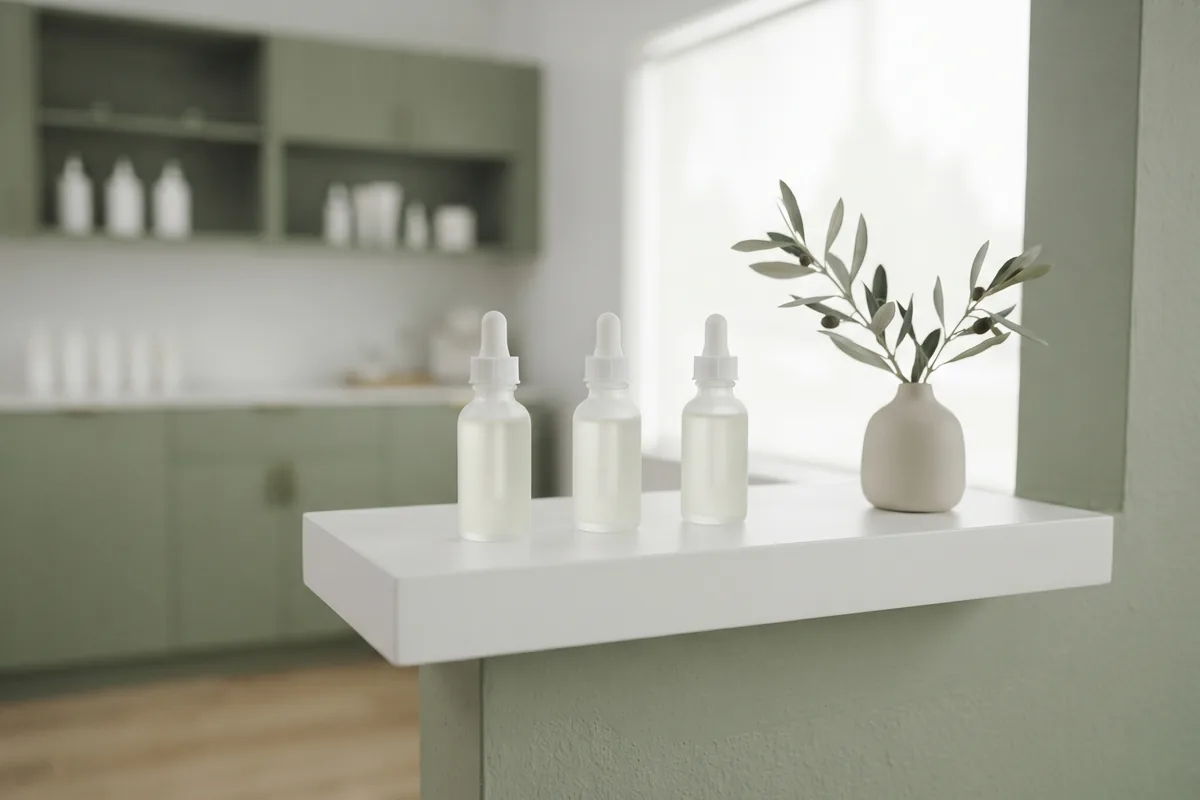
Different acids suit different skin, so the peel is chosen after a skin check.
Facial vs Peel vs Microdermabrasion
Clients sometimes add a third option: microdermabrasion. It exfoliates mechanically, with a fine tip that lifts away dead cells, instead of with acid. It can suit people who do not tolerate acids well. In our studio microdermabrasion is $110 for 45 minutes. My comparison of chemical peel vs microdermabrasion explains when I choose one over the other.
In short: a facial is broad care, a peel is chemical exfoliation, microdermabrasion is mechanical exfoliation. Two of the three are exfoliation, and you rarely need both in the same week.
Where dermaplaning fits
Dermaplaning is another form of physical exfoliation. A blade gently removes dead surface cells and fine vellus hair, which can make skin look smoother and help makeup sit more evenly. In our studio it is $90 for 45 minutes. It is not a replacement for a peel when the goal is tone, and it should not be done on the same area right before a peel unless the plan is designed for it. Again, one form of exfoliation at a time is usually enough.
Building a Simple Plan for the Year
Most clients I see in Irvine are busy. They do not want a complicated schedule, they want to know what to book and when. A simple yearly rhythm works for most skin types, and it can be adjusted after the first visits.
Season
Suggested focus
Notes
Fall
Start a peel series
Less intense sun makes it easier to protect freshly peeled skin
Winter
Peels plus hydrating facials
Heating and dry air call for extra moisture between peels
Spring
Maintenance peel, then facials
Sun gets stronger, so lighten the exfoliation
Summer
Facials, gentle peels only if well tolerated
Beach days and strong sun raise the risk of dark spots after peels
This is a general pattern, not a rule. In Orange County the sun is strong most of the year, so daily sunscreen matters in every season. Someone with acne may need peels in summer too, and that can work with careful protection. Someone with very sensitive skin may stay with facials most of the year and add a gentle lactic or mandelic peel only occasionally.
Home care holds the plan together. A gentle cleanser, a moisturizer that suits your skin and sunscreen every morning do more than any single treatment. If you are building that routine for the first time, my skincare routine for beginners is a good place to start.
How I Decide at the Consultation
I have worked with skin for more than 20 years, and I still do not choose a treatment from the price list. I decide after looking at your skin and hearing what bothers you. These are the questions I ask:
What do you want to change: comfort, clarity, texture or tone?
What are you using at home now, especially retinoids, acids or prescriptions?
Have you had peels before, and how did your skin react?
Do you tend to get dark marks after pimples or scratches?
How much sun do you get? Living in Orange County, the answer is usually "a lot".
Do you have an event coming up?
Then I suggest a starting point, often a facial for the first visit if I do not know your skin yet. A first visit tells me how your skin reacts, and the next step can be a peel with much more confidence. Consultations at Real Skin Beauty are free, and you can book online or call (949) 444-6191.
Common mistakes when choosing
Booking the strongest peel first. Starting gentle shows how your skin reacts.
Expecting one facial to fix dark spots. Pigment usually needs a series and daily sunscreen.
Peeling dry, irritated skin. Calm and hydrate first.
Using strong acids at home in the same week as a peel. Too much exfoliation leads to irritation.
Trying a new peel right before a wedding or photos. Test it weeks earlier.
Skipping sunscreen after a peel. It can undo the work and may cause new spots.
Choosing by trend, not by skin. A popular treatment is only right if it fits your skin.
One more point about expectations. Superficial peels work gradually. After one peel the skin often looks fresher and feels smoother, but changes in tone and texture usually build over a series. Facials work the same way: one visit feels great, and regular visits keep the skin balanced. Neither replaces sunscreen, a gentle routine and patience.
If you are still not sure, start with a facial. It is rarely the wrong first step, and it gives your esthetician the information needed to plan a peel safely if your skin will benefit from one.
Frequently Asked Questions
+ What is the difference between a facial and a chemical peel?
A facial is broad care: cleansing, gentle exfoliation, extractions, a mask and massage to keep skin clean, calm and hydrated. A chemical peel uses an acid solution to exfoliate at a controlled depth, targeting texture, dullness, clogged pores and uneven tone. Peels may cause light flaking, facials usually do not.
+ Is a chemical peel better than a facial?
Neither is better in general. A peel is better for correcting texture, dullness and uneven tone. A facial is better for dry, sensitive or irritated skin and for regular maintenance. Many people get the best results by alternating the two, chosen after a skin check.
+ Which is better for acne, a facial or a peel?
Often both. An acne facial with careful extractions clears existing congestion, and an acne or mandelic peel helps loosen dead cells that clog pores. For inflamed or cystic acne, see a physician as well, since an esthetician treatment does not replace medical care.
+ Which has more downtime, a facial or a chemical peel?
A chemical peel. After a facial most people go straight back to their day. After a superficial peel the skin may look pink for a short time and may flake lightly for a few days. Sunscreen and gentle care are important after both.
+ How often should I get a facial vs a peel?
Facials are usually booked every four to six weeks. Superficial peels are often done as a series spaced two to four weeks apart, then as maintenance every month or two. Do not peel again while the skin is still pink or flaking from the last one.
+ Can I get a facial and a chemical peel at the same time?
Some facials include a light acid step, but a full peel and deep extractions are usually better on separate visits. A common plan is a facial first, then a peel two to four weeks later, alternating with facials for comfort and hydration.
+ Which is better for dark spots?
A series of peels chosen for pigmentation, combined with daily sunscreen, is usually more effective for uneven tone than facials alone. Results take several sessions. Sensitive skin or skin prone to dark marks needs a gentle acid and careful spacing.
+ Who should not get a chemical peel?
People with sunburn, open wounds, cold sores, a rosacea or eczema flare, recent isotretinoin use or very irritated skin should wait. If you are pregnant or on prescription treatments, ask your physician first. A gentle facial is often a better choice in these cases.
Licensed electrologist and cosmetologist with 20+ years of experience. Aida sees clients at Real Skin Beauty, 18021 Sky Park Circle, Suite N, Irvine, CA 92614.
Book a free consultation with Aida Khazieva at Real Skin Beauty in Irvine, CA. She will look at your skin under magnification and tell you whether a facial, a peel or a combination fits it best.
This article is for informational purposes and reflects Aida Khazieva's practitioner experience. It does not replace a personalized medical consultation. Individual results vary.
Questions? Aida Answers Them All.
Visit our FAQ or book a free consultation to discuss your specific skin and hair concerns.