Chemical Peel Recovery: What Happens Each Day and How to Help It
By Aida Khazieva·Chemical Peels·11 min read·Real Skin Beauty, Irvine CA·Updated July 27, 2026
In over 20 years of performing chemical peels, the complications I see most often are not caused by the peel itself. They come from clients who were not told what to expect during recovery, panicked at normal healing stages, used the wrong products, picked at peeling skin, or skipped sun protection in Southern California's unforgiving UV environment. This guide tells you exactly what happens to your skin during recovery, day by day, for both superficial and medium-depth peels, and what to do to protect the results you paid for.
Quick answer: Recovery depends on peel depth. After a light glycolic or lactic peel, expect redness for 1 to 2 days and mild flaking for 3 to 5 days. A medium TCA peel darkens and tightens by day 3, then peels through day 7 to 10. Never pick peeling skin, and protect it with sunscreen.
Why Recovery Time Is as Important as the Peel Itself
The actual chemical peel, the acid application and neutralization, takes 2 to 10 minutes. The recovery period that follows takes days to weeks. What happens during those days and weeks determines whether the results hold, whether complications arise, and whether the skin achieves the improvement the treatment was designed to produce. I have seen clients get excellent peels and then completely undermine the outcome through poor recovery management. I have also seen clients who managed recovery meticulously get results that exceeded what the treatment alone would suggest was possible.
The reason recovery management matters so much is biological. After a chemical peel, the skin is in an active healing state. The acid has disrupted the stratum corneum and, in the case of medium-depth peels, layers beneath it. The skin is generating new cells from below, pushing old cells to the surface, rebuilding its collagen framework, and restoring its barrier function. All of these processes are vulnerable to disruption from external factors: UV radiation, aggressive products, physical manipulation, heat, sweat, and bacterial exposure. Any of these disruptions can interfere with the healing cascade and produce outcomes ranging from prolonged recovery to permanent pigmentation changes or scarring.
Understanding what is happening at each stage of recovery allows you to make appropriate decisions in real time rather than guessing or searching the internet for reassurance while your skin is peeling at day 4 and looking worse than it did before treatment. The process has a predictable arc. Knowing what that arc looks like removes the anxiety and allows you to manage it calmly.
I provide every client at Real Skin Beauty with detailed written aftercare instructions specific to their peel type and concentration. This guide covers the information in broader scope to help new clients understand what to expect before they commit to a treatment, and to serve as a reference for existing clients who want to understand the reasoning behind the instructions I give them.
One note before going further: the timelines I describe below are typical for most clients. Individual variation exists. Skin thickness, barrier health, sensitivity, and how recently the client used actives like retinol or other AHAs all affect recovery timeline. If your recovery is moving faster or slower than what I describe, that is usually within normal variation. Contact me if you see anything that matches the complication warning signs I describe later in this guide.
Superficial Peel Recovery: Day by Day
Superficial peels include glycolic acid at 20 to 50 percent, lactic acid at 30 to 50 percent, salicylic acid at 10 to 30 percent, and enzyme peels. These treatments work within the epidermis, producing accelerated cell turnover without reaching the dermis. Recovery is correspondingly shorter and less demanding than medium-depth treatments, which is why superficial peels are appropriate for clients with limited downtime or who are new to professional chemical treatments.
Day 1 (Treatment Day): The skin is pink and warm immediately after treatment. The degree of redness depends on the acid used and the concentration. Lactic peels produce less immediate redness than glycolic at equivalent concentrations. Salicylic peels often produce the least redness of all. Skin feels tight and mildly sensitized. The sensation is comparable to mild sunburn. Apply only the products your esthetician has recommended for day one, typically a gentle calming serum and a barrier-supportive moisturizer, and avoid touching the face unnecessarily throughout the day. If you need to leave the house, mineral SPF 50 is essential and non-negotiable.
Day 2: Redness typically diminishes significantly overnight for most clients. Skin still feels tight and somewhat dry. Some clients notice the skin feels slightly rough to the touch, as though it has a very fine sandpaper texture. This is normal and indicates the dead cell layer is beginning to separate from the fresh cells beneath. Resist the temptation to exfoliate, use a washcloth, or apply any active ingredients. The skin barrier is not yet restored and additional stimulation at this stage delays rather than accelerates recovery.
Days 3 to 5: For lower-concentration peels (20 to 30 percent), flaking during this window is subtle, sometimes imperceptible. Skin may peel very finely around the nose, mouth, and areas where skin is thinner, but many clients at lighter concentrations notice no visible peeling at all. The cellular renewal is still occurring; it simply happens in a less visible way. For higher-concentration superficial peels (40 to 50 percent), more noticeable flaking begins around day 3 and peaks at day 4 to 5. Small sheets or patches of dry skin may be visible, particularly around areas with thinner skin. Continue with the recovery routine: gentle cleanser, barrier moisturizer, SPF.
Days 5 to 7: Peeling resolves and new skin becomes apparent. The clarity and brightness that characterize post-peel skin begin to show. Most clients describe their skin looking cleaner, more even, and more luminous than before treatment. Sensitivity has typically resolved enough to allow normal moisturizing products, though I still recommend avoiding active ingredients like retinol, glycolic, and vitamin C for the first 7 days post-peel to let the barrier fully restore before re-introducing actives.
Makeup After a Light Peel
After a superficial glycolic or lactic peel, I generally allow mineral-only makeup after 24 hours if clients need to be presentable for work or social obligations. Regular liquid foundation, concealer, and powder are not appropriate until the skin has stabilized at day 3 to 5. Conventional makeup products contain ingredients that can irritate recently peeled skin and, more importantly, pigments and fillers that should not be applied to compromised barrier tissue.
Recovery at home is simple: a gentle moisturizer, mineral sunscreen every morning and no picking at flaking skin.
Medium-Depth TCA Peel Recovery: Day by Day
Medium-depth peels, primarily TCA at 20 to 35 percent and high-concentration glycolic at 70 percent, penetrate into the papillary dermis. The results are more significant than superficial peels, but the recovery is commensurately more demanding. I discuss TCA peel recovery in full detail with clients before treatment because understanding what is coming prevents the most common recovery mistakes, which almost always stem from being surprised by the degree of visible change and reacting to it incorrectly.
Day 1 (Treatment Day): Skin appears red and swollen, similar to moderate sunburn. For TCA peels, the frosting reaction during treatment produces immediate visual change to the skin surface. Within hours, redness intensifies and the skin may feel quite tight and uncomfortable. Apply the post-peel barrier ointment or healing serum provided, take any over-the-counter anti-inflammatory if appropriate and approved by your physician, and plan to rest at home. Avoid bending over or lying flat, as increased blood flow to the face worsens swelling in the first 24 hours. Sleeping with the head elevated is helpful.
Day 2: Swelling typically peaks on day 2, particularly around the eyes and cheeks. The skin surface takes on a darker, browned appearance as treated tissue desiccates. This is normal and expected, not a burn or complication. The skin feels very tight, movement of facial expressions is restricted, and some clients describe a sensation of the skin being too small for their face. Continue gentle wound care: rinse with cool water, apply prescribed healing ointment or barrier balm liberally, avoid any friction or pressure on the skin surface.
Day 3: Peeling typically begins. The skin starts to separate at the edges of facial zones: hairline, jaw, sides of nose. The contrast between peeling areas and unpeeled areas is significant and often alarming to clients who were not expecting it. This is normal. Resist every impulse to pull, peel, or assist the shedding process. The skin beneath is not ready to be exposed where peeling has not yet occurred naturally, and pulling ahead of the skin's own schedule causes raw patches and risks scarring.
Days 4 to 7: Active peeling continues and intensifies. The face sheds in sheets and patches. Clients typically describe this phase as looking their worst. The process is not uniform: some areas clear while others are still shedding, producing an uneven appearance that resolves completely as peeling finishes. Strict avoidance of picking remains the most important single instruction during this phase. Keep the skin moist with prescribed healing ointment. Avoid water pressure from showers directly on the face. Pat dry with clean soft cloths; do not rub.
Days 7 to 14: Peeling concludes and new skin is fully revealed. The new skin is pink, smooth, and delicate. It is significantly more sensitive to UV than normal skin and more sensitive to products. Apply only the gentlest cleanser and a fragrance-free moisturizer during this window. SPF 50 every single morning is the highest-priority instruction during this phase. The new skin is at maximum vulnerability to UV-triggered hyperpigmentation during these first two weeks after medium-depth peeling completes.
Days 14 to 30: Pinkness gradually fades. Skin achieves normal color, though some mild residual redness may persist into the third and fourth weeks. Results from the peel become increasingly apparent as inflammation fully resolves. Dark spots appear significantly lighter, texture is measurably smoother, and overall skin tone is noticeably more even. Final assessment of results is best done at 4 to 6 weeks post-treatment when all residual inflammation has resolved.
Day 3 to 5 Is the Hardest Part
Almost every TCA peel client who contacts me in distress during recovery does so between day 3 and day 5, when peeling is at its most visible and skin looks dramatically worse than it did before treatment. This is the expected midpoint of the healing process, not a sign that something went wrong. If you are in this phase and have followed your aftercare instructions, you are on track. The skin looks worse before it looks better, and the improvement once peeling concludes is significant.
Products to Use During Chemical Peel Recovery
The product choices made during recovery directly affect how skin heals and whether results are maximized or compromised. The guiding principle for recovery product selection is simple: support the barrier, add moisture, block UV, and avoid anything that stimulates or irritates. The following categories of products are appropriate and beneficial during chemical peel recovery.
Gentle non-stripping cleanser. A pH-balanced, sulfate-free cleanser that removes debris without disturbing the healing barrier is essential. I recommend micellar water or a creamy low-pH cleanser during recovery from both superficial and medium-depth peels. Avoid foaming cleansers, cleansing brushes, and washcloths during the first week. Fingertips only, gentle circular motions, cool or lukewarm water.
Barrier-supportive moisturizer. The skin needs consistent hydration and barrier support during recovery. A moisturizer containing ceramides, hyaluronic acid, and squalane provides all three components the healing barrier needs: lipid replenishment from ceramides, water-binding from hyaluronic acid, and occlusive protection from squalane. Apply liberally every morning and evening during recovery, more frequently if skin feels tight or uncomfortable.
Healing ointment for medium-depth peels. For TCA and other medium-depth peel recovery, I provide a specific healing ointment or instruct clients on appropriate pharmacy alternatives. Petrolatum-based products protect the delicate new skin surface from environmental exposure and prevent moisture loss during the most vulnerable healing phase. These are appropriate for the first 5 to 7 days of TCA recovery and are not needed for superficial peels.
Broad-spectrum mineral SPF 50. SPF is not optional during recovery; it is the single highest-priority product in the post-peel routine. Mineral sunscreens containing zinc oxide or titanium dioxide are preferred because they sit on top of the skin surface without needing to be absorbed, reducing the risk of irritation to a compromised barrier. Apply every morning without exception and reapply every 2 hours during outdoor time.
The following categories of products should be completely stopped during recovery and reintroduced only when the skin has fully stabilized: retinol and retinoids, AHAs and BHAs (glycolic, lactic, salicylic), benzoyl peroxide, vitamin C serums at high concentration, and any product with fragrance, alcohol, or essential oils. Reintroducing actives during recovery can trigger significant irritation, compromise the barrier's ability to heal, and in darker skin tones raise the risk of treatment-induced hyperpigmentation.
What to Strictly Avoid During Recovery
The avoid list during recovery is as clinically important as the product recommendations. Each item on this list corresponds to a specific way that recovery can be disrupted or results can be compromised.
Direct sun exposure without SPF. Treated skin is intensely photosensitive. UV triggers melanocyte activity in freshly peeled skin, which can produce hyperpigmentation that is more pronounced and more difficult to treat than the original dark spots. This is the most common cause of poor peel outcomes I see among Orange County clients whose outdoor lifestyle does not pause during recovery.
Picking, peeling, or pulling at shedding skin. Peeling skin is still attached to living tissue. Pulling it away before it is ready to separate naturally removes cells that are not finished with their protective function and can produce raw patches, scarring, and infection risk.
Vigorous exercise and sweating. Sweat raises skin temperature and changes the pH of the skin surface. Both effects can interfere with the healing process and increase infection risk at freshly treated sites. Avoid cardio, hot yoga, and any activity that produces significant sweating for 48 to 72 hours after superficial peels and up to 2 weeks after medium-depth peels.
Steam, saunas, and hot showers. Heat vasodilates blood vessels and increases skin temperature, which intensifies redness and inflammation during a phase when the goal is calm, controlled healing. Cool or lukewarm water only during peel recovery.
Conventional makeup over actively peeling skin. Pigments, fillers, and preservatives in conventional makeup products should not contact compromised barrier tissue. Makeup also promotes the urge to pick or remove flaking skin during application and removal.
Retinol and all active acids. Stop at least 5 days before treatment and do not restart until skin has fully healed and barrier function is restored, typically 7 days after superficial peels and 14 to 21 days after medium-depth peels.
Facial massage, waxing, or any other mechanical skin treatment. Any physical manipulation of the skin surface during recovery disrupts the healing process and can cause trauma to skin that is actively regenerating.
Signs of Normal Healing vs. Complications to Watch
Understanding the difference between normal healing and a genuine complication is one of the most anxiety-relieving pieces of information I can give a peel client. The majority of clients who contact me during recovery are experiencing entirely normal healing and do not need intervention. A smaller number have signs of actual complications that need assessment. Knowing which category you are in saves unnecessary worry and ensures you seek help when you genuinely need it.
Normal healing includes all of the following:
Redness that is deepest immediately after treatment and gradually fades over days 1 to 5 for superficial peels and days 1 to 14 for medium-depth peels
Tightness and a sensation of skin being dry or taut, most pronounced on days 1 through 4
Visible peeling or shedding at the expected timeline for your peel type, as described in the day-by-day sections above
Slight itching during the late peeling phase as new skin emerges, typically days 4 to 7 for superficial peels
Uneven appearance during peeling as different areas shed at slightly different rates
Skin looking temporarily worse or more uneven during the active peeling phase before it looks better
Pinkness of new skin persisting for 1 to 3 weeks after peeling completes, fading gradually
Signs that warrant contacting me for assessment:
Redness that intensifies rather than diminishes after day 2, particularly if accompanied by warmth that is spreading beyond the treatment area
Pustules, open sores, or crusting that appears infected rather than dry and healing
Severe pain that is not managed with normal over-the-counter pain relief and rest
Fever or systemic symptoms accompanying skin changes
Blistering in areas that were not expected to peel aggressively based on the treatment applied
Rapid darkening of areas of skin that were not initially affected by the peel and that does not match normal healing progression
I am accessible to clients between appointments for exactly these kinds of questions. A photograph sent via the contact method I provide at your appointment is often enough for me to assess whether what you are seeing is normal or warrants an in-person visit. I would always rather receive an unnecessary reassurance photo than have a client sit with a complication that could have been addressed early.
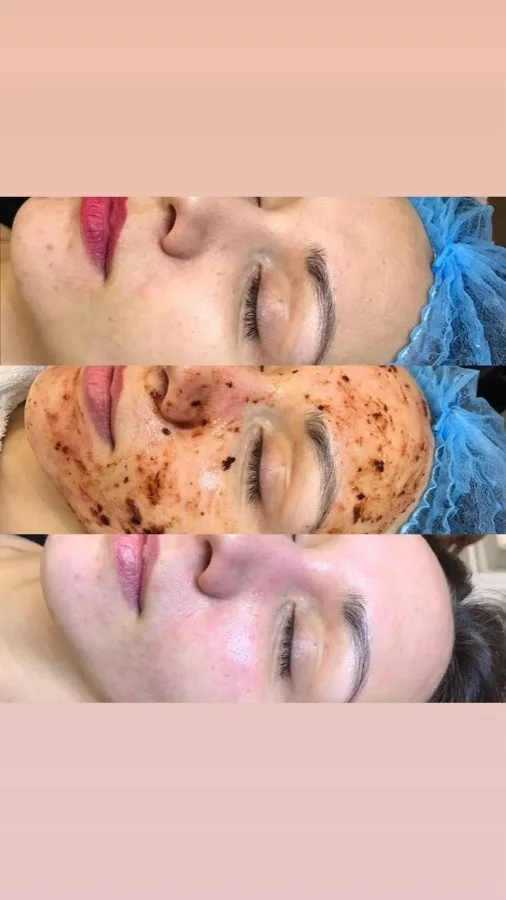
The stages of a peel at Real Skin Beauty: before, during the peeling phase and after healing.
Planning Your Peel Around Your Schedule
One of the most practical questions I address with every new peel client before booking their appointment is when to schedule it given their professional and social life. Getting the timing right means you can manage recovery privately and at home during the most visible stages rather than trying to conceal significant peeling at work or a social event.
For superficial glycolic or lactic peels at lower concentrations (20 to 30 percent), scheduling is flexible. Redness resolves quickly and visible flaking is subtle or absent. Most clients can manage recovery while working, as long as they can avoid direct sun, skip the gym for 2 days, and use only gentle products. For higher-concentration superficial peels (40 to 50 percent), scheduling the treatment on a Thursday or Friday allows the most visible peeling stage to occur over the weekend before returning to work on Monday.
For medium-depth TCA peels, I recommend scheduling the treatment so that the most visible peeling phase (days 3 to 7) falls entirely on days when the client does not need to appear professionally or socially. For most clients, this means booking a TCA peel at the start of a week off from work, on a long weekend, or ahead of a vacation period, with the vacation beginning after day 7 when peeling has largely resolved. I ask TCA clients to plan for at least 7 to 10 days of primarily home-based recovery.
Seasonal timing matters for Orange County clients specifically. The summer months, when UV is highest and outdoor social activity peaks, are not ideal for medium-depth peel scheduling because the sun avoidance requirement conflicts with the lifestyle of most clients during this period. Fall and winter, when UV is more manageable and schedules more indoor-oriented, are the periods when I see the best compliance with recovery instructions and the best outcomes from TCA peel series.
How to Get the Most From Your Recovery Period
Beyond avoiding complications, there are active steps during recovery that accelerate healing and maximize the quality of the final result. These are not about adding more products or treatments; they are about optimizing the conditions under which your skin heals.
Hydration, both internal and topical. Drinking adequate water (at minimum 8 glasses per day) during recovery supports cellular functions including the collagen synthesis and new cell generation that drive peel results. Topically, consistent application of barrier-supportive moisturizer keeps the healing skin moist, which accelerates the shedding of dead cells and reduces the tight, uncomfortable sensation that accompanies dry peeling.
Elevation and rest in the first 48 hours. Sleeping with the head elevated during the first 2 nights after a medium-depth peel reduces swelling and allows more comfortable healing. Avoiding activities that increase heart rate or blood pressure during the same window reduces post-treatment flushing and swelling.
Consistent SPF application, reapplied as needed. I know I have stated this multiple times in this guide, and that is because it is the single most consistently underperformed element of post-peel care I see. In Irvine and across Orange County, clients underestimate ambient UV even during overcast or winter days. SPF 50 every morning, and again every 2 hours if you are outdoors, is the habit that protects your results from being undermined before they have finished developing.
Patience with the process. The most counterproductive thing a client can do during recovery is try to speed up or alter the natural healing progression. The skin is working through a precise biological process. Interrupting it with additional products, picking, or treatments before healing is complete consistently produces worse outcomes than simply following the prescribed protocol and waiting. I check in with clients between sessions and am always available to answer questions, but the check-in is usually to confirm that things are proceeding normally rather than to intervene.
For any questions about specific products appropriate for your recovery phase, or to book a follow-up assessment, our FAQ page covers the most common recovery questions in detail, and I am available through the contact information on the booking page. Our peels page has full details on the range of peel types available and their typical recovery expectations.
Frequently Asked Questions
How long is recovery after a light glycolic or lactic peel? +
Light peels typically involve redness for 1 to 2 days, followed by subtle flaking for 3 to 5 days if flaking occurs at all. Most clients return to normal activities the same day or the following morning. Visible peeling depends on concentration: lighter concentrations may cause no visible shedding while cellular renewal still occurs beneath the surface. The lack of visible peeling does not mean the treatment did not work.
What does skin look like on day 3 of a medium TCA peel? +
By day 3, skin typically darkens and tightens noticeably. The surface takes on a brown, dried appearance as treated tissue begins to separate. Peeling usually starts around day 3 to 4, beginning at the edges of facial zones. The appearance at day 3 often alarms clients, but it is entirely normal. The critical instruction at this stage is strict avoidance of picking or assisting the peeling process, as premature removal of separating skin can cause scarring and uneven results.
Can I wear makeup during chemical peel recovery? +
After a light superficial peel, mineral-only makeup can be applied after 24 hours for clients who need to be presentable. After a medium-depth TCA peel, no makeup of any kind for at least 5 to 7 days. The skin barrier is compromised during active peeling and conventional makeup ingredients, including pigments, preservatives, and fragrances, can cause irritation or create infection risk on vulnerable healing tissue.
What is the most important thing to do during peel recovery? +
Sun protection, without qualification. Treated skin is intensely photosensitive during and after recovery. UV exposure triggers melanocyte activity in freshly peeled skin, which can produce hyperpigmentation that is more difficult to treat than the original concern. Broad-spectrum SPF 50 applied every morning throughout the recovery period and for 2 to 4 weeks post-peel is the single most important protective step and the most commonly skipped one.
When can I return to the gym after a chemical peel? +
Avoid intense exercise for 48 to 72 hours after a superficial peel and for up to 2 weeks after a medium-depth TCA peel. Sweating raises skin temperature and alters the skin surface pH, both of which can interfere with the healing process and increase the risk of bacterial infection at treated sites. Light walking is generally acceptable earlier than cardio or weight training.
Licensed electrologist and cosmetologist with 20+ years of experience. Aida sees clients at Real Skin Beauty, 18021 Sky Park Circle, Suite N, Irvine, CA 92614.
Book a free consultation with Aida Khazieva at Real Skin Beauty in Irvine, CA. We will walk you through the full treatment and recovery process before your first appointment so you know exactly what to expect.
This article is for informational purposes and reflects Aida Khazieva's clinical experience. It does not replace a personalized medical consultation. Individual results vary.