Sun Damage Skin Repair: Professional Treatments That Actually Reverse It
By Aida Khazieva·Pigmentation·12 min read·Real Skin Beauty, Irvine CA·Updated July 27, 2026
Sun damage is the number one skin aging concern I see in my Irvine CA practice, and for good reason. Southern California's year-round intense UV index means that by the time most clients reach their 40s they are carrying a significant cumulative UV burden. The encouraging clinical reality is that skin retains meaningful capacity for repair at any age, given the right stimulation and, critically, the removal of ongoing UV exposure as the primary trigger.
Quick answer: Professional treatments can significantly reverse sun damage. A consistent plan of chemical peels, vitamin C, retinol and strict sun protection reduces sun spots, improves texture and stimulates new collagen. Meaningful improvement typically appears in 3 to 6 months, and extensive photoaging can take 6 to 18 months of combined treatment.
What Sun Damage Actually Does to Skin at the Cellular Level
Understanding what UV radiation actually does to skin explains why repair takes months and why certain treatments work when others do not. UV damage is not superficial. It operates at the cellular and molecular level through several simultaneous mechanisms.
UVB radiation, the shorter-wavelength component that causes sunburns, damages DNA directly. When UVB photons are absorbed by skin cells, they create specific lesions in the DNA called cyclobutane pyrimidine dimers. In healthy skin with intact repair mechanisms, these lesions are caught and repaired by cellular machinery within hours. But with repeated daily UV exposure over years, the rate of DNA damage exceeds the skin's repair capacity. Errors accumulate. Cells with damaged DNA begin to behave abnormally, which is the foundation of both photoaging and the increased skin cancer risk associated with cumulative UV exposure.
UVA radiation, which penetrates deeper and represents approximately 95 percent of UV reaching the earth's surface, damages skin through a different mechanism: oxidative stress. UVA photons are absorbed by chromophores in the skin and generate reactive oxygen species, or free radicals. These unstable molecules damage cell membranes, proteins, and DNA indirectly. Critically, free radicals activate enzymes called matrix metalloproteinases (MMPs) that degrade collagen and elastin. This is the primary mechanism behind photoaging's characteristic hallmarks: fine lines, wrinkles, laxity, and the leathery texture seen in severely sun-damaged skin.
Melanocytes, the pigment-producing cells, respond to both UVA and UVB by producing melanin as a photoprotective response. With repeated uncontrolled exposure, some melanocytes become persistently overactive, producing localized concentrations of melanin that appear as sun spots, also called solar lentigines. These spots sit primarily in the epidermis, which is what makes them responsive to epidermal-targeting treatments like chemical peels. Other sun-related pigmentation changes sit deeper in the dermis and require longer treatment timelines.
One important and frequently overlooked consequence of cumulative UV exposure is the degradation of the skin barrier. UV radiation reduces the synthesis of ceramides and impairs the function of the tight junction proteins that hold the stratum corneum together. This leads to increased transepidermal water loss, which is why chronically sun-damaged skin feels persistently dry and rough. Barrier repair is an underappreciated component of sun damage treatment that I always address explicitly in client protocols.
Types of Sun Damage: More Than Just Dark Spots
When clients come into my Irvine studio asking about sun damage, they are usually focused on visible dark spots. But sun damage presents as a constellation of changes that require different treatment approaches, and identifying all of them allows for a more complete repair protocol.
Solar Lentigines
Solar lentigines are the flat, clearly defined brown spots most people associate with sun damage. They appear most commonly on the face, hands, chest, shoulders, and forearms. They are the accumulated result of localized melanocyte hyperactivity from repeated UV exposure. Unlike freckles, which fade in winter, solar lentigines are permanent without treatment. They sit primarily in the epidermis, which makes them among the most treatable manifestations of sun damage.
Diffuse Uneven Tone
Beyond discrete dark spots, chronically sun-exposed skin often shows diffuse unevenness, where the entire skin tone looks muddy, sallow, or blotchy without clearly defined spots. This reflects widespread subtle melanocyte dysregulation across large areas of skin rather than localized overactivity in specific spots. Treating diffuse uneven tone requires overall skin renewal approaches rather than spot-targeted treatments.
Textural Changes
Collagen and elastin degradation from UV-generated free radicals produces visible textural changes: fine lines, coarsened skin texture, enlarged pores, and in severe photoaging, a rough, leathery quality to the skin surface. These changes require collagen-stimulating treatments rather than just brightening approaches, because pigmentation treatments alone do not address structural damage in the dermis.
Telangiectasia
Small broken capillaries visible on the skin surface, called telangiectasia, are a common feature of chronic UV damage. UV radiation weakens the walls of superficial blood vessels, causing them to dilate and eventually become permanently visible as red lines or a diffuse redness across the cheeks and nose. While outside the scope of this article on pigmentation-focused sun repair, I mention them because many clients have mixed sun damage involving both pigment and vascular changes that need to be addressed as part of a comprehensive plan.
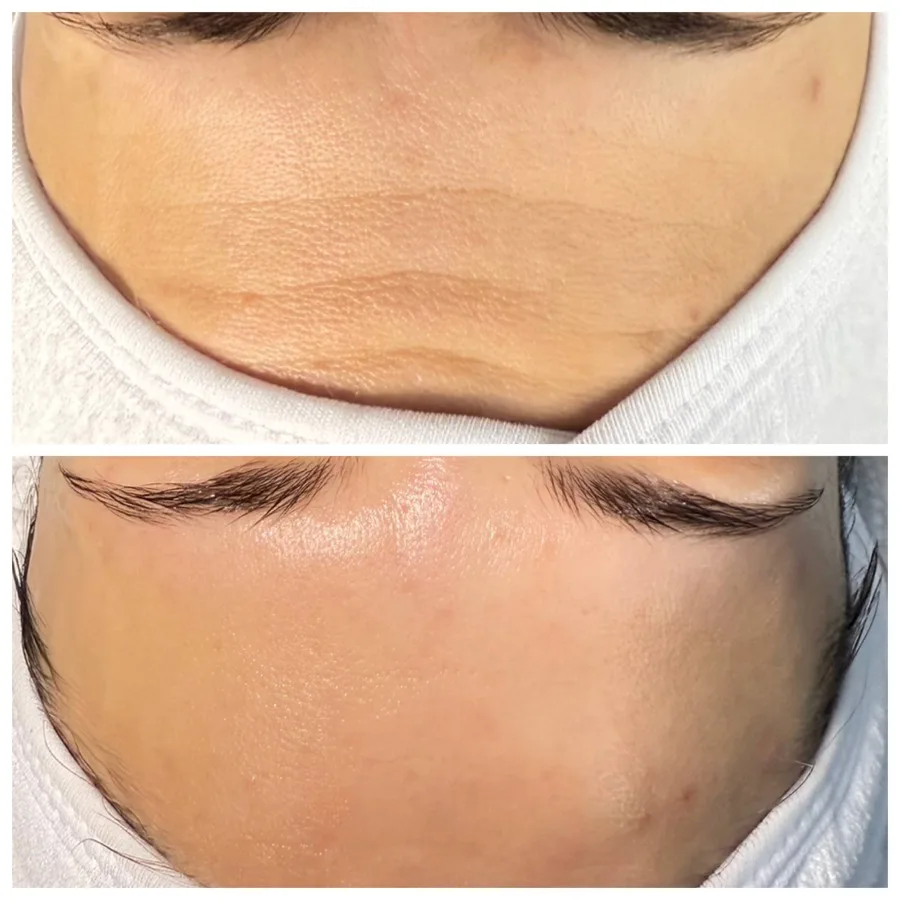
Sun-related pigmentation on the forehead before and after treatment. Individual results vary.
The Chemical Peel Approach to Sun Repair
Professional chemical peels are the most versatile and consistently effective professional treatment for sun-damaged skin in my practice. They address multiple aspects of sun damage simultaneously: accelerating the shedding of pigment-containing surface cells, stimulating new collagen production in the layers below, and improving overall skin texture and radiance. The specific peel type and concentration need to be matched to the client's sun damage severity and skin type.
Glycolic Acid Peels for Photoaging
For sun damage characterized primarily by surface pigmentation changes and mild textural irregularity in lighter skin tones (Fitzpatrick I through III), a series of glycolic acid peels at 30 to 50 percent is highly effective. Glycolic acid's small molecular size allows rapid epidermal penetration, producing thorough cell turnover acceleration and visible brightening. A series of 4 to 6 peels spaced 3 to 4 weeks apart produces compounding improvement in both pigmentation and texture.
The post-peel period matters as much as the peel itself. After a professional glycolic peel, the skin undergoes an exfoliation cycle lasting 3 to 7 days. During this period, avoiding active exfoliants, staying strictly out of the sun, and keeping skin well-hydrated allows the treatment to produce its full effect. Any UV exposure during this post-peel window directly counteracts the peel's brightening work by immediately stimulating fresh melanin production in the newly exposed, sensitized skin.
TCA Peels for More Advanced Photoaging
Trichloroacetic acid (TCA) peels at concentrations between 15 and 35 percent penetrate deeper than glycolic acid and produce more significant collagen remodeling. For clients with established photoaging including deeper sun spots, more pronounced textural changes, and early fine lines attributable to UV damage, TCA is the more appropriate choice. TCA peels require more significant recovery time, typically 7 to 14 days, and are spaced further apart, 4 to 8 weeks, to allow full recovery. I discuss the full range of available professional peel options on the chemical peels page.
Lactic Acid Peels for Sensitive or Darker Skin
For clients with sun damage on Fitzpatrick skin types IV through VI, or those with reactive or sensitive skin, lactic acid peels are the better choice. They produce brightening and mild collagen stimulation with significantly lower risk of post-inflammatory hyperpigmentation. A longer series, typically 6 to 8 peels, compensates for the gentler approach and still produces meaningful cumulative improvement. I use lactic acid frequently for Orange County clients who have Mediterranean, South Asian, or East Asian skin tones with chronic UV damage.
Peel Timing Around Sun Exposure
Never schedule a professional chemical peel within 2 weeks before a vacation or significant planned outdoor activity. Post-peel skin is photosensitized and will react dramatically to sun exposure. Schedule peels for periods when you can control UV exposure during recovery.
LED and Light Therapy for Photo-Damaged Skin
LED light therapy is a valuable adjunct treatment for sun-damaged skin that I use both as a standalone session and as an add-on to other treatments. Unlike UV light, which causes DNA damage, LED light therapy uses specific wavelengths of visible and near-infrared light that trigger beneficial cellular responses without damaging effects.
Red LED for Collagen Stimulation
Red light at 630 to 660 nanometers stimulates fibroblasts, the cells responsible for producing collagen and elastin in the dermis. Fibroblasts contain photoreceptors called cytochrome c oxidase that absorb red light and respond by increasing cellular energy production (ATP synthesis) and upregulating collagen gene expression. This means red LED therapy directly stimulates the production of new collagen to replace what UV-generated free radicals degraded. For clients with photoaging involving textural changes and early laxity, red LED provides meaningful support to the collagen repair process.
Red LED is entirely non-invasive, painless, and has no downtime. I use it in combination with brightening facials and peel series because it does not interfere with other treatments and adds a collagen-stimulating dimension that peels alone do not provide as directly. The effects are cumulative: a series of 8 to 12 weekly sessions produces the best measurable improvement in collagen density, but even single sessions provide a measurable fibroblast activation response.
Near-Infrared for Deeper Tissue Repair
Near-infrared light at 830 to 850 nanometers penetrates deeper into the dermis than visible red light and has been shown to reduce oxidative stress markers in UV-damaged tissue. For clients with significant photoaging and deeper textural changes, near-infrared LED adds a tissue-repair dimension that complements the surface-focused work of peels and brightening treatments. I combine red and near-infrared wavelengths in sun damage repair facials at Real Skin Beauty.
Vitamin C and Antioxidants in the Sun Damage Repair Protocol
Vitamin C is indispensable in sun damage repair for two distinct reasons. The first is its role as a tyrosinase inhibitor: it directly slows the enzyme responsible for melanin synthesis, reducing the production of new pigmentation at the source. The second, equally important role is its function as an antioxidant. Vitamin C neutralizes the reactive oxygen species generated by UV exposure before they can activate the MMPs that degrade collagen. Applied daily in the morning before UV exposure, it intercepts the free radical damage chain at its earliest point.
For sun damage repair, I recommend L-ascorbic acid at 15 to 20 percent as the active form with the strongest clinical evidence. Stable vitamin C derivatives may be easier to formulate and have a longer shelf life, but they do not match L-ascorbic acid's tyrosinase-inhibiting and antioxidant potency at equivalent concentrations. The instability of L-ascorbic acid is manageable: store it in a dark, opaque container away from heat and light, and replace it within 3 months of opening. A yellow or orange serum has oxidized and is no longer effective.
The Vitamin C, E, and Ferulic Acid Combination
Research published in the Journal of Investigative Dermatology established that combining L-ascorbic acid with vitamin E (tocopherol) and ferulic acid produces a synergistic antioxidant effect that is approximately four times greater than vitamin C alone. Ferulic acid also significantly improves the photostability of the combination, meaning the formula retains its potency longer after skin application. This specific triple combination has become the gold standard formulation approach for antioxidant sun damage prevention and repair.
Niacinamide as a Brightening Support Ingredient
Niacinamide at 4 to 5 percent provides a complementary brightening mechanism to vitamin C. Rather than inhibiting melanin production, niacinamide interrupts the transfer of melanin from melanocytes to surrounding keratinocytes, the skin cells that carry pigment visibly to the surface. Used alongside vitamin C, niacinamide addresses the pigmentation chain at a different point and adds meaningful brightening benefit. It is also anti-inflammatory and barrier-supporting, making it particularly useful for sun-damaged skin that also presents with sensitivity.
Retinol for DNA Repair and Collagen Restoration
Retinol and its more potent prescription form, tretinoin (retinoic acid), are the most extensively studied topical ingredients for photoaging reversal. The evidence base for retinoids in sun damage repair spans more than 30 years of clinical research. The mechanisms by which retinoids repair sun-damaged skin are multiple and well-established.
Retinoids bind to nuclear receptors in skin cells and directly regulate gene expression. Among the genes they upregulate are those responsible for collagen synthesis. They stimulate fibroblasts to produce new type I collagen, the structural collagen that gives skin its firmness, which UV exposure degrades through MMP activation. Simultaneously, retinoids inhibit the MMP enzymes themselves, reducing the ongoing degradation of existing collagen. The net effect over months of consistent use is a measurable increase in dermal collagen density that translates clinically to improved firmness, reduced fine line depth, and improved skin texture.
Retinoids also accelerate epidermal cell turnover, shedding pigmented surface cells faster and bringing fresh, less pigmented cells to the surface more quickly. This is the mechanism behind the brightening and evening of skin tone that retinol users reliably observe over weeks to months of use.
Starting Retinol for Sun-Damaged Skin
Sun-damaged skin is often already compromised in barrier function, which makes the introduction of retinol require particular care. A compromised barrier is more sensitive to retinol's known early side effects of dryness and peeling. I recommend beginning with the lowest available concentration, typically 0.025 to 0.05 percent retinol, used once per week for the first 3 weeks. Gradual introduction over 8 to 12 weeks gives the barrier time to adapt before increasing either concentration or frequency. Read the detailed retinol beginner's guide for the complete introduction schedule.
Retinol and Sun Exposure
Retinol is applied at night only. UV light degrades retinol on contact and makes skin significantly more photosensitive. Applying retinol without ensuring strict morning SPF use actively worsens sun damage rather than repairing it. The combination of nightly retinol plus daily SPF 50 is one of the most clinically validated anti-photoaging strategies available.
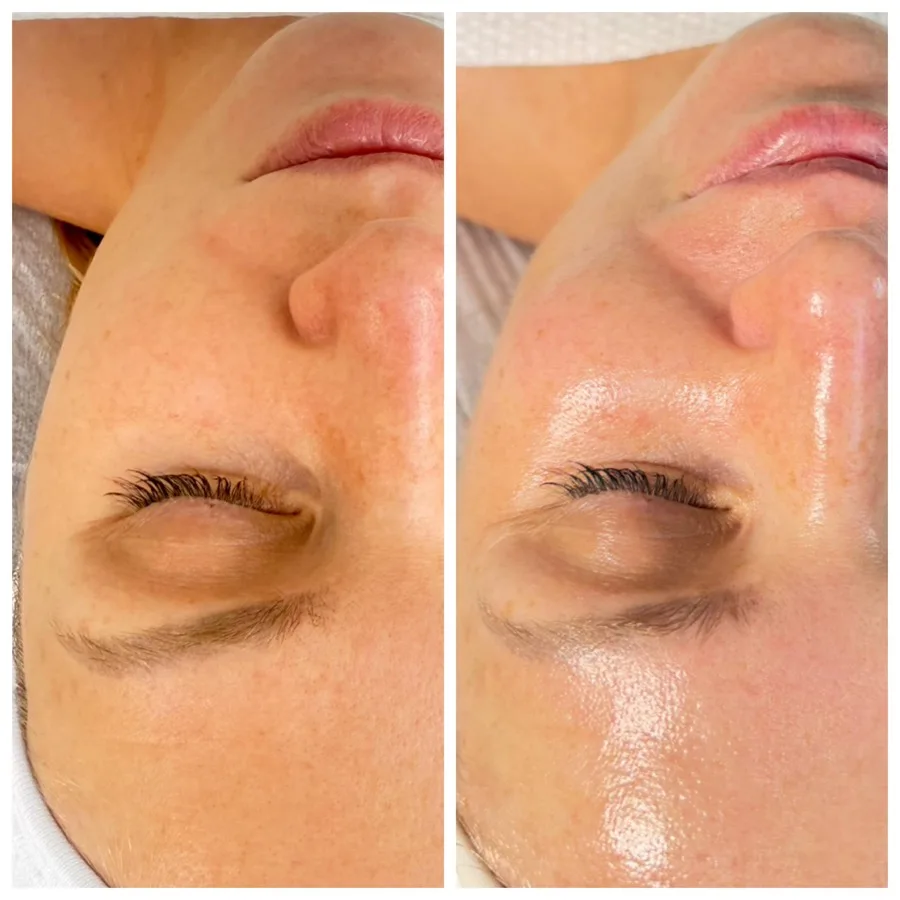
Dull, uneven tone before and after a brightening treatment at Real Skin Beauty.
Building a Complete Professional Sun Repair Protocol
The clients in my Irvine CA practice who achieve the most significant reversal of sun damage are those following a coordinated multi-step protocol that addresses UV pigmentation, collagen loss, and barrier compromise simultaneously. No single product or treatment addresses all three. A complete protocol looks like this:
Morning Routine
Gentle cleanser: Preserves barrier while removing overnight products. Avoid anything that leaves skin feeling tight or stripped.
Vitamin C serum (15 to 20 percent L-ascorbic acid with E and ferulic acid): The cornerstone antioxidant step. Applied to clean skin before moisturizer, every morning without exception.
Niacinamide serum (4 to 5 percent) or moisturizer containing niacinamide: Interrupts melanin transfer and provides barrier support.
Ceramide-rich moisturizer: Repairs and maintains barrier function. Barrier repair is essential for sun-damaged skin because degraded barrier amplifies sensitivity and slows treatment response.
SPF 50 broad-spectrum, tinted mineral preferred: The final and most important step. Non-negotiable every single morning.
Evening Routine
Double cleanse: Oil cleanser first to remove SPF and environmental debris, followed by a gentle water-based cleanser.
AHA exfoliant (3 to 4 nights per week): Glycolic or lactic acid at 5 to 8 percent concentration on alternating nights with retinol. Accelerates cell turnover and brightening between professional peels.
Retinol (0.025 to 0.1 percent depending on tolerance): Used 2 to 3 nights per week on nights without AHA. The primary collagen-rebuilding and cell-turnover step in the evening routine.
Rich barrier-repairing moisturizer: Seals in actives, provides overnight hydration, and supports barrier repair. Ingredients to look for include ceramides, fatty acids, shea butter, squalane, and peptides.
Monthly Professional Treatments
A monthly professional chemical peel series, 4 to 6 treatments to start then maintenance every 6 to 8 weeks, produces compounding improvement that home care alone cannot match. Professional peels work at concentrations and with contact times that deliver epidermal renewal too significant to replicate with over-the-counter products. LED light therapy sessions, either standalone or combined with facials, add a collagen-stimulating dimension. Visit the facials page for information on what a sun damage repair facial at Real Skin Beauty involves.
Prevention Going Forward: More Than Just Daily SPF
Once a sun repair protocol is underway, preventing new damage is as important as treating existing damage. In Orange County's UV environment, protection beyond daily SPF application is warranted for anyone serious about maintaining repair results.
Physical UV barriers provide protection that sunscreen alone cannot match. A wide-brimmed hat blocks more UV from reaching the face than any SPF formula. UV-protective clothing with an ultraviolet protection factor (UPF) rating of 50 or higher dramatically reduces body and arm exposure. UV-blocking film on car windows reduces the significant UVA exposure that accumulates during commuting. These are not paranoid measures. They are the difference between maintaining the results of a treatment protocol and watching them slowly erode from continued background UV exposure.
Timing sun exposure sensibly reduces UV burden without requiring complete sun avoidance. Peak UV hours in Southern California run from approximately 10 AM to 4 PM. Scheduling outdoor activities outside this window when possible reduces daily UV load meaningfully. This is not always practical, but it is worth considering for discretionary outdoor time like exercise, errands, and leisure activities.
Morning outdoor exercise before 9 AM: UV index is typically 2 to 3, compared to 8 to 10 at midday.
Lunch inside or in the shade: A parasol or shade structure reduces UV exposure by approximately 50 percent even without SPF reapplication.
UV-blocking sunglasses: Protect the delicate periorbital skin around the eyes, which is both very thin and often neglected in SPF application.
Reapply SPF in your car: Keep a travel-size mineral SPF in the car. The combination of midday UV and glass UVA penetration means a commute without reapplication is a significant exposure event.
Antioxidant-rich diet deserves mention here, though I keep it brief because the clinical evidence is more modest than for topical and professional interventions. Foods high in carotenoids, vitamin C, vitamin E, and polyphenols provide modest systemic antioxidant support that works alongside topical antioxidants. They do not replace topical vitamin C or sunscreen, but they contribute to the overall oxidative defense that matters for sun damage prevention and repair.
If you are ready to assess your current level of sun damage and build a professional repair protocol, I offer a thorough skin analysis as part of a free consultation at Real Skin Beauty in Irvine. We will look at your specific UV history, current skin condition, and practical lifestyle factors to build a protocol that fits your actual daily life rather than an idealized routine.
Frequently Asked Questions
Can professional treatments actually reverse sun damage? +
Yes, significantly. A consistent protocol of chemical peels, vitamin C, retinol and strict sun protection can dramatically reduce sun spots, improve skin texture and stimulate new collagen production in sun-damaged areas. Reversal is real, it simply requires consistency and patience over months.
How long does it take to repair years of accumulated sun damage? +
Meaningful improvement typically appears in 3 to 6 months of consistent treatment. More extensive photoaging including leathery texture, deep sun spots and elasticity loss takes 6 to 18 months of dedicated multi-modality treatment. Results continue building with ongoing care.
What is the most effective treatment for individual sun spots? +
Chemical peels at appropriate concentrations combined with daily vitamin C serum are the most reliably effective professional approach. Prescription tretinoin at home adds significant benefit. Intense Pulsed Light (IPL) is also highly effective for sun spots in lighter Fitzpatrick skin tones.
Can I repair sun damage while still spending time in the sun? +
Not effectively. UV exposure triggers new melanin production faster than treatment can fade existing spots. Strict sun protection including SPF 50 every morning, reapplication every 2 hours during sun exposure, and UV-protective clothing is not optional. It is the foundation without which no treatment works long-term.
Is it too late to repair sun damage if I am over 60? +
No. Skin retains the ability to produce new collagen and fade pigmentation at any age with appropriate stimulation. Older skin may require gentler treatment protocols and longer timelines, but significant improvement is consistently achievable even for clients in their 60s and 70s.
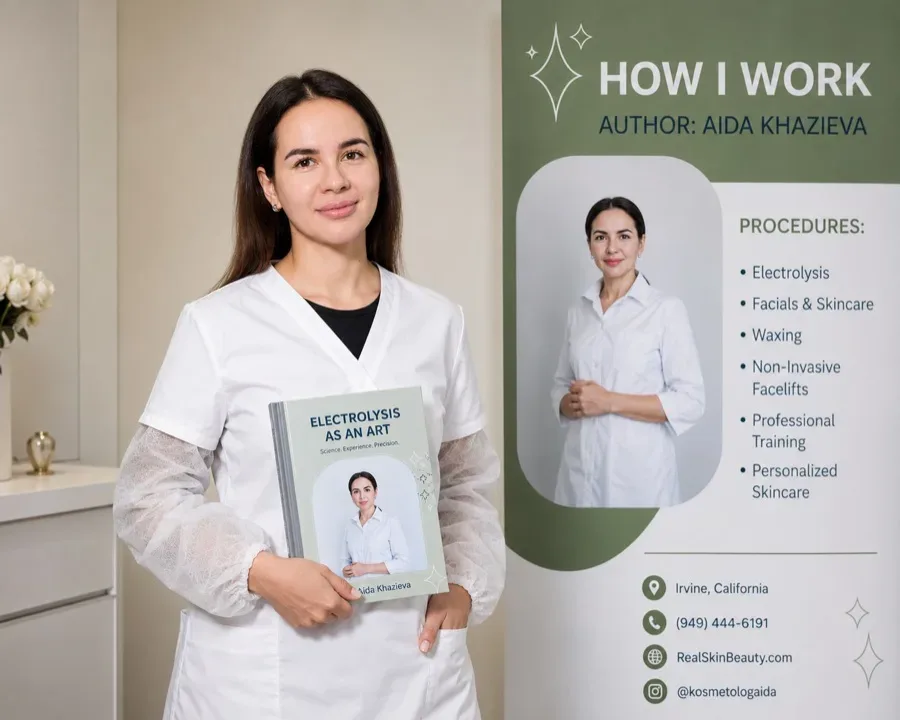
Licensed electrologist and cosmetologist with 20+ years of experience. Aida sees clients at Real Skin Beauty, 18021 Sky Park Circle, Suite N, Irvine, CA 92614.
Book a free consultation with Aida Khazieva at Real Skin Beauty in Irvine, CA. Get a clinical skin analysis and a sun damage repair protocol built for your specific history and skin type.
This article is for informational purposes and reflects Aida Khazieva's clinical experience. It does not replace a personalized medical consultation. Individual results vary.