Rosacea Skin Care Guide: Triggers, Gentle Routines and Low-Risk Facial Options
By Aida Khazieva·Facials and Skin Care·15 min read·Real Skin Beauty, Irvine CA·Updated October 16, 2026
Rosacea-prone skin does best with a short, gentle routine: lukewarm water, a mild cleanser, moisturizer and daily mineral or broad-spectrum sunscreen. Avoid your own triggers, which often include sun, heat, alcohol, spicy food, stress and harsh products. Low-risk facial options skip steam, scrubs and strong acids and focus on calming the skin. See a doctor for diagnosis first, since I am an esthetician and do not diagnose.
Quick Answer
Gentle cleanser, moisturizer and SPF 30+ every day. Skip scrubs, steam, fragrance and strong acids. Low-risk professional options are calming rosacea or sensitive-skin facials and red LED. See a physician for diagnosis, eye symptoms or prescription medication questions.
What Rosacea Is and What It Is Not
Rosacea is a chronic skin condition that causes persistent redness, flushing and visible small blood vessels, usually across the cheeks, nose, chin and forehead. Some people also get bumps and pimple-like spots, stinging, or a feeling of heat. It often gets mistaken for acne, sun damage or a sensitive-skin phase.
I am an esthetician, not a physician, so I do not diagnose rosacea. If you have never had a diagnosis, see a dermatologist or your doctor first. Prescription treatments exist and can make a real difference, and eye symptoms such as dryness, burning or red, irritated eyelids should be checked by a physician. My job is to help the skin stay calm, protected and comfortable alongside that care.
A few differences help you tell rosacea from acne, though they are not a diagnosis:
Rosacea
Acne
Main sign
Persistent redness and flushing
Blackheads, whiteheads, clogged pores
Feels
Warm, stinging, easily irritated
Oily, sometimes tender
Triggers
Heat, sun, alcohol, stress, harsh products
Hormones, oil, bacteria, some products
Typical age of onset
Often adulthood
Often teen years, but can occur at any age
Skin care approach
Calm and protect the barrier
Unclog and reduce bacteria
Because the goals differ, products designed for acne can make rosacea worse. That is why I ask many questions before suggesting anything.
Rosacea Types in Plain Terms
Doctors describe rosacea in several patterns, and many people show more than one. Knowing the vocabulary helps you talk to your physician, who makes the diagnosis.
Redness and flushing. Frequent blushing that lingers, with visible small vessels on the cheeks and nose.
Bumps and pimples. Red bumps that look like acne but without blackheads.
Thickened skin. Over time, skin on the nose can thicken in some people. This needs medical care.
Eye involvement. Dryness, burning, gritty feeling or red eyelids, which should be checked by a physician.
I mention these because the right skin care depends on the pattern, and because several of them need more than skin care. If you recognize yourself in the last two, call your doctor before you book anything with me.
Common Rosacea Triggers
Triggers differ from person to person, so a diary helps more than a general list. Note what you ate, where you were and what you put on your skin on days when flushing is worse. These are the triggers most people report.
Sun and UV. The most common one. Orange County sun is strong most of the year, even on cloudy days.
Heat. Hot showers, saunas, hot yoga, warm rooms and hot drinks.
Alcohol. Red wine and spirits are frequent triggers for flushing.
Spicy food. Hot peppers and heavy spice cause flushing in some people.
Emotional stress and intense exercise. Both raise blood flow to the face.
Wind and cold. Sudden temperature changes irritate the skin.
Skin care products. Fragrance, alcohol-based toners, strong exfoliating acids, scrubs, menthol and witch hazel are common irritants.
Steam and hot towels. Many classic facials use them, which is why they can backfire.
You do not have to avoid everything. Find your own two or three triggers and plan around them. If sun is your trigger, a hat and sunscreen matter more than any serum.
A Gentle Daily Routine
The routine for rosacea-prone skin is short on purpose. Every extra product is another chance to irritate.
Morning
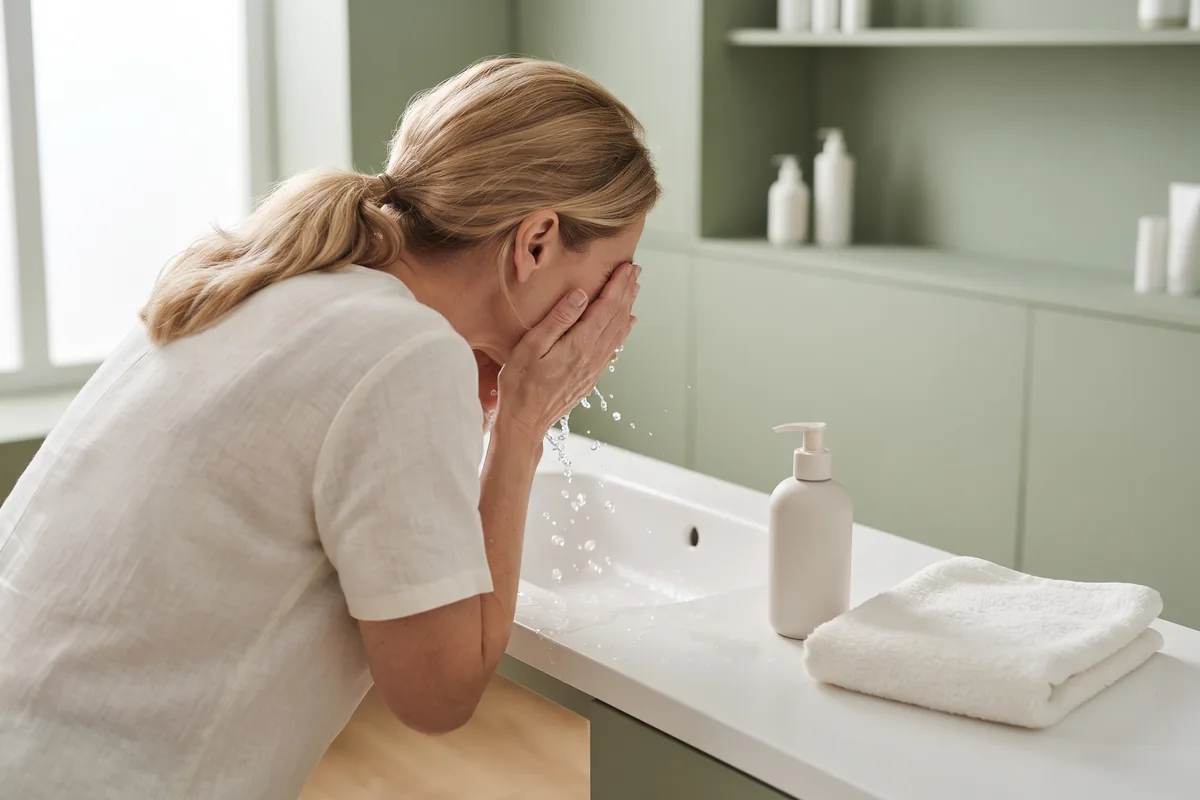
Rinse or cleanse with lukewarm water. Not hot, not cold. Use a mild, fragrance-free cleanser, and use your fingertips only.
Moisturizer with ceramides or simple soothing ingredients.
Broad-spectrum sunscreen, SPF 30 or higher. Many people with sensitive skin prefer mineral formulas containing zinc oxide or titanium dioxide, which tend to sit on top of the skin. Choose what your skin tolerates.
Evening
Cleanse gently to remove sunscreen and makeup. Pat dry with a clean towel, do not rub.
Treatment step, if any. Ingredients that rosacea-prone skin often tolerates include azelaic acid, niacinamide and centella. Azelaic acid is sold in both over-the-counter and prescription strengths, so ask your doctor about the right one for you.
Moisturizer to support the barrier.
Introduce one new product at a time and wait two weeks before adding another. Test on a small patch near the jawline first. Redness that lasts, stinging that does not fade or swelling means stop and call your doctor.
A gentle cleanse with lukewarm water and fingertips is the foundation of rosacea-friendly care.
Choosing a Cleanser, Moisturizer and Sunscreen
The three basic products are where most reactions begin. Here is how I read a label for reactive skin.
Cleanser: look for a creamy or gel formula marked fragrance-free, without sulfate-heavy foaming agents or menthol. If your skin feels tight after washing, it is too strong.
Moisturizer: ceramides, glycerin, panthenol and squalane are common gentle ingredients. Skip fragrance, essential oils and anything that tingles on contact.
Sunscreen: mineral filters, zinc oxide and titanium dioxide, are often better tolerated than some chemical filters, though individual reactions vary. A tinted mineral formula can also soften redness. Texture matters, so pick one you will wear every day.
Always patch test a new product behind the ear or along the jawline for several days. Do not judge a product by its first five minutes, since a delayed reaction is common with reactive skin. When you find a cleanser and sunscreen your skin accepts, stay with them. Changing products often is one of the most common ways to set off a flare.
Which Ingredients and Habits to Avoid
The list of things I tell rosacea-prone clients to skip is longer than the list of things to use.
Avoid or use with caution
Why
Physical scrubs and cleansing brushes
Friction increases redness and breaks down the barrier
Strong exfoliating acids and high-strength retinoids
Can cause flare-ups; any actives should be approved by your doctor
Fragrance, essential oils, menthol, camphor
Common irritants in sensitive skin
Alcohol-based toners and astringents
Dry out and sting the skin
Hot water and steam
Dilate blood vessels and trigger flushing
Rough towels and aggressive rubbing
Constant mechanical irritation
Trying many new products at once
You cannot tell what caused a reaction
One more habit: touch your face less. Resting your hand on a flushed cheek or picking at bumps can prolong irritation.
Myths About Rosacea
Myth: rosacea comes from poor hygiene. It does not, and scrubbing makes it worse. The cause is not fully understood, and genetics and the immune and blood vessel response seem to play a part.
Myth: only older people get it. It often begins in adulthood, and many people are diagnosed in their thirties or forties.
Myth: it is just acne. The two can look alike, and some people have both. Treatments differ, so a diagnosis matters.
Myth: alcohol is the cause. It is a trigger for many people, not the cause. People who never drink can have rosacea.
Myth: it can be cured with the right serum. Rosacea is long-term. Good care and medical treatment can keep it calmer, and I will not promise a cure.
Myth: steam and exfoliation are good for all skin. For rosacea-prone skin they are two of the most common aggravators.
Flare-Ups, Sun and Daily Life in Orange County
A flare-up is the time to do less. Cool the skin with a clean, cool (not icy) damp cloth held lightly for a few minutes. Stop every active ingredient, including exfoliating acids, retinol and vitamin C, until the redness settles. Stay with cleanser, moisturizer and sunscreen. Avoid heat, alcohol and spicy food for a few days if you know they bother you.
If you are not sure what set the flare off, think back 24 to 48 hours. Reactions to a new product, a hot day outdoors or a glass of wine often show up with a delay. Write it down. A flare that lasts more than a couple of weeks, or one with swelling, burning or eye symptoms, belongs with your doctor. Please do not try to treat redness with whitening, peeling or "detox" products. They add irritation, and an irritated barrier is the opposite of what rosacea-prone skin needs.
Sun, makeup and daily habits
Living in Irvine or anywhere in Orange County means year-round UV. Sunscreen has to be a daily habit, even for the drive to work, and reapplied when you are outside for longer. A wide-brimmed hat helps more than people realize, because it also blocks heat on the face.
Makeup works on rosacea, but pick the formula carefully. Fragrance-free, non-comedogenic foundations and mineral products tend to be better tolerated. A green-tinted primer can neutralize redness without a thick base. Remove makeup gently each evening with your cleanser, not with wipes or scrubbing.
Small daily choices add up: lukewarm showers, a cool room for sleeping, a cold drink instead of a hot coffee on bad days, and exercise that does not leave you overheated. None of this replaces medical care, but it often reduces how often flares happen.
Seasonal and Travel Tips for Rosacea-Prone Skin
Rosacea does not take a vacation, so planning for the seasons helps.
Summer: keep a hat and sunscreen in the car, stay out of midday sun when you can and carry a small spray bottle of water to cool your skin. Avoid very hot pools and hot tubs.
Winter: cold wind and heated rooms both dry the skin. Wear a scarf over your cheeks, add a richer moisturizer and keep the shower warm rather than hot.
Flying: cabin air is dry. Moisturize before boarding and reapply sunscreen at your destination.
Exercise: choose cooler settings and shorter, steadier sessions if intense workouts set off flushing. Rinse your face with lukewarm water afterward.
Social events: know your trigger drinks and foods, and plan around them without giving up everything you enjoy.
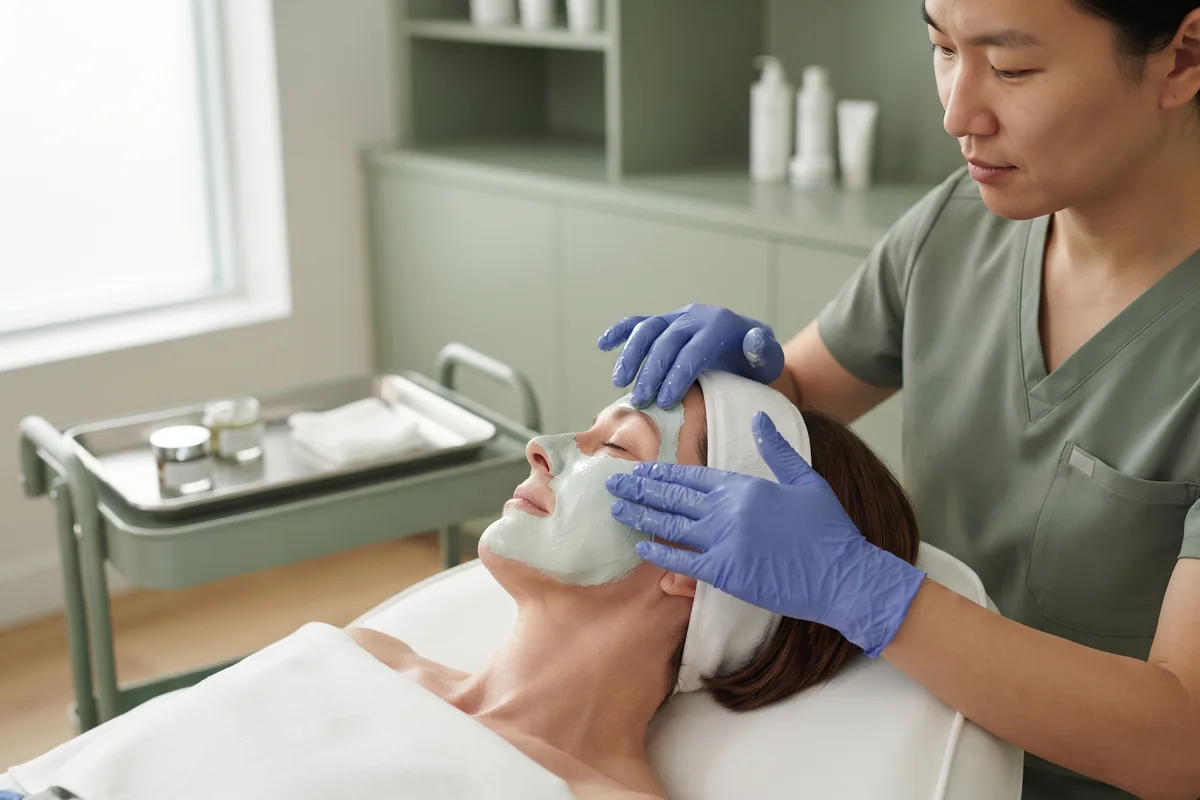
A cool, fragrance-free mask is a typical step in a calming facial for reactive skin.
Which Facials Are Low-Risk to Try
No facial is risk-free for rosacea, and I never promise one. Some approaches are lower-risk than others, and the right choice also depends on your current flare-up state.
Rosacea and sensitive-skin facials
My rosacea and sensitive skin facial ($120) avoids steam, heat, friction massage, fragrance and strong acids. It uses cool, calming steps and ingredients such as azelaic acid, centella, niacinamide and ceramides. The sensitive skin facial ($115) is a similar gentle option. Both aim to support the barrier and reduce reactivity over a series of visits, and improvement varies by person.
Red LED light therapy
Red LED ($65, 30 minutes) is a heat-free, UV-free treatment that is often added to a calming facial. It is considered a low-risk add-on for many people, but anyone taking medications that cause light sensitivity should check with their doctor first. I explain the differences between red and blue light in my LED light guide.
Treatments I usually avoid during rosacea
Microdermabrasion, because suction and friction can aggravate redness
Most chemical peels, especially glycolic and stronger blends
Steam, hot towels, heat-based devices and vigorous massage
Dermaplaning during a flare-up
If you have active flushing, visible pustules or irritated skin, I suggest waiting for the flare to calm and talking with your doctor. Come for a consultation in the meantime so that we are ready.
How a Rosacea Facial Goes, Step by Step
Knowing the order of a treatment helps you relax in it. This is how I run the visit at the studio.
Conversation and skin check. I ask about triggers, medications, recent flare-ups and what you use at home, then look at your skin in natural light.
Gentle cleanse. Lukewarm water and a mild, fragrance-free cleanser. No hot towels, no steam.
Soothing serum or treatment step. Calming ingredients selected after the skin check. If your skin is flaring, I keep this step minimal.
Light, slow touch. Rather than a deep massage, I use light pressure, because friction and heat raise redness.
Cool mask. A calming, fragrance-free mask sits on your skin while you rest.
Optional red LED. If it suits you and your medications allow it, red LED can be added for 30 minutes.
Moisturizer and sunscreen. The visit ends with barrier care and protection, and a home plan in writing.
You should leave feeling calmer, not stung or flushed. If anything feels hot or uncomfortable during the visit, tell me and I adjust or stop.
How Often to Come In and What to Expect
For reactive skin, I prefer spacing visits and watching how your skin responds before adding anything. A common starting point is a monthly gentle facial, with a pause if you flare. Some clients come more often in the first weeks. Rosacea is a long-term condition, so the goal is steady calm, not a cure.
Your first visit includes a free rosacea consultation. I ask about triggers, medications, past reactions and your current routine, then look at your skin in natural light. If I see signs that point to a medical issue, I will send you to a physician rather than treat it.
After a calming facial, you may notice reduced tightness and a more even tone. Redness usually responds slowly, over repeated visits plus consistent home care and sun protection. Results vary, and I will not promise you a specific outcome.
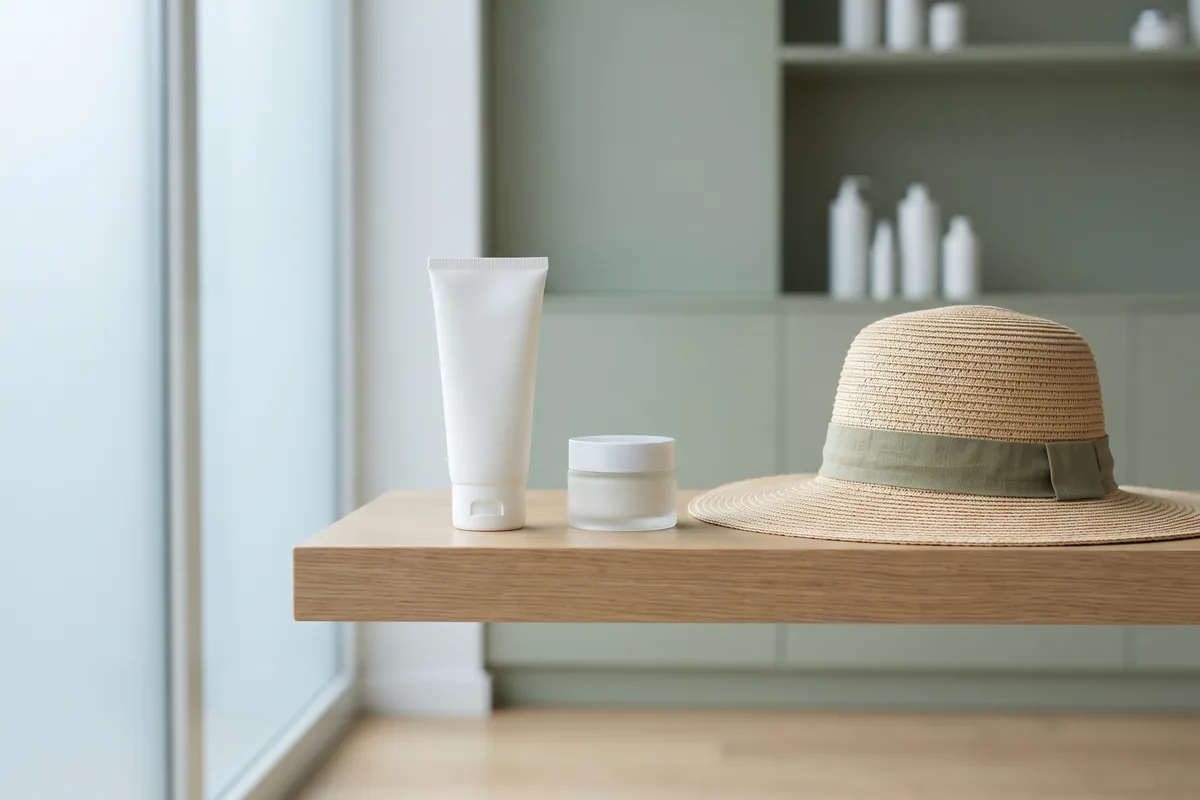
Mineral sunscreen, a plain moisturizer and a hat cover the most common rosacea trigger.
Keeping a Simple Skin Diary
A diary sounds like homework, but it saves months of guessing. Take a minute each evening for two to four weeks.
What to note
Example
Why it helps
Skin that day
Mild flush, no stinging
Shows your baseline and how it changes
Products used
New moisturizer, same sunscreen
Links reactions to products with a delay
Food, drink, heat
Red wine, hot yoga
Finds your personal triggers
Stress and sleep
Short night, busy day
Shows patterns that products cannot explain
Weather and sun
Windy, long outdoor lunch
Reveals environmental triggers
Bring the diary to your doctor and to me. It makes the consultation more useful than any memory of "it seems worse sometimes".
When to See a Doctor First
Please book a medical appointment before a facial if any of these apply:
You have never had a diagnosis and the redness is persistent.
You have burning, gritty or red eyes, or swollen eyelids.
The skin on your nose is thickening, or bumps keep appearing.
You started a new prescription, especially isotretinoin or a topical medication.
Your skin burns or swells after a new product.
Once you have medical clearance and a plan, I can work with that plan. Local clients from Irvine, Tustin, Newport Beach and the rest of Orange County can start with a free skin consultation, or book directly and mention rosacea. Related reading: best facial for dry skin and sun damage repair for the sun protection side.
When Redness Is Not Rosacea
Not every red face is rosacea, and guessing wrong delays proper care. Other common causes include contact dermatitis from a new product, seborrheic dermatitis around the nose and eyebrows, sunburn, flushing from medication, and eczema. Acne can also look similar. Hormonal shifts and some medical conditions can cause facial redness too.
A few clues suggest it is worth a closer look: redness that follows a new product within hours, itching rather than burning, flaking patches with greasy scales, or a rash that spreads beyond the central face. None of these is a diagnosis. They are reasons to describe the pattern to a doctor instead of adding more products. I would rather you spend a week finding the cause than three months treating the wrong thing.
Questions to Ask Your Doctor
Is this rosacea, or could it be something else, such as acne or an allergic reaction?
Do I need a prescription treatment, and how long should I use it?
Is it safe for me to use over-the-counter azelaic acid, niacinamide or any exfoliating product?
Should I see an eye doctor about my symptoms?
Which professional treatments, if any, do you advise me to avoid?
Frequently Asked Questions
+ What are the most common rosacea triggers?
Sun exposure, heat, alcohol, spicy food, stress, wind and harsh skin care products are the most commonly reported. Triggers differ by person, so keeping a diary helps you find your own.
+ Can I get a facial if I have rosacea?
Often yes, but the facial needs to avoid steam, friction, fragrance and strong acids. Choose a calming rosacea or sensitive-skin facial, tell your esthetician about your history and wait for active flare-ups to calm first. If unsure, ask your doctor.
+ Is microdermabrasion or a chemical peel safe for rosacea?
I usually avoid both. Microdermabrasion uses suction and friction, and most peels are too stimulating for rosacea-prone skin. Gentle, calming treatments are a better first choice.
+ Does red LED light therapy help rosacea?
Red LED is a heat-free, UV-free treatment often added to calming facials to help soothe skin. Results vary and it is not a cure. Check with your doctor first if you take medications that cause light sensitivity.
+ How much does a rosacea facial cost at Real Skin Beauty?
The rosacea and sensitive skin facial is $120 for one hour, the sensitive skin facial is $115 and red LED therapy is $65. Rosacea consultations in the studio are free.
+ Can rosacea be cured?
Rosacea is a long-term condition, and care aims to keep it calm rather than remove it. A physician can discuss prescription options, and gentle skin care and sun protection support that plan.
+ Can I use vitamin C or retinol if I have rosacea?
Some people tolerate them and many do not. Both can sting or trigger redness on reactive skin. Ask your doctor first, introduce one product at a time and stop if you notice stinging or lasting redness.
+ Do I have to avoid the sun completely?
No, but sun is a common trigger, so protect your skin. Wear broad-spectrum SPF 30 or higher every day, add a wide-brimmed hat and avoid the hottest part of the day when you can.
Licensed electrologist and cosmetologist with 20+ years of experience. Aida sees clients at Real Skin Beauty, 18021 Sky Park Circle, Suite N, Irvine, CA 92614.
Unsure what your skin can handle? Book a free rosacea consultation with Aida Khazieva at Real Skin Beauty in Irvine, CA. She will review your triggers and routine and suggest only low-risk next steps.
This article is for informational purposes and reflects Aida Khazieva's professional experience. It does not replace a personalized medical consultation. Individual results vary.
Questions? Aida Answers Them All.
Visit our FAQ or book a free consultation to discuss your specific skin and hair concerns.